
An ice business in South Africa is a seasonal, high-demand business that can help you create an income. Starting an ice business requires more than just buying an ice machine and making ice. There are a few additional factors that you need to consider, such as compliance.
You must conduct thorough market research to determine the best locations for distribution, whether that be partnering with local pubs, supermarkets, convenience stores, or supplying large events.
Additional factors you need to consider include compliance with health and safety regulations, ensuring the purity of your water source, and ensuring you have appropriate packaging. Here, we’ll discuss the key aspects you must consider to start an ice business.
Understand the Market Before You Start
Before you buy equipment, take time to understand your local market. This is one of the most important steps because it tells you whether there is enough demand and who your likely customers are.
Do not assume that you’ll just sell to households. Your strongest customers may be taverns, bottle stores, spaza shops, butcheries, event planners, caterers, petrol stations, and small supermarkets. These buyers often need regular stock and may become repeat customers if your service is reliable.
Look around your area and ask simple questions. Who is already selling ice? What kind of bags do they stock? When do they usually run out? Do nearby businesses want ice delivered? Are they looking for cube ice or crushed ice?
This kind of research gives you a practical view of the business. It also helps you avoid wasting money on the wrong setup. If demand is strongest from events and retailers, your approach will be very different from someone targeting weekend household buyers.
Register Your Business
Even if you want to start small, it is wise to register your business properly. A registered business is easier to trust. It also puts you in a better position to open a business account, work with suppliers, and approach bigger customers later.
A lot of people skip this stage because they want to move fast. That can work for a short time, but it usually becomes a problem when they want to grow. Retailers and event clients often want invoices, consistent pricing, and professional communication. That is easier to manage when your business is set up the right way.
Treat Ice Like a Food Product
Ice is not just frozen water. Once people use it in drinks or around food, it needs to be handled with care.
That means your production space must be clean. Ensure the following:
- Your water must be safe.
- Your tools must be sanitised.
- Your staff must work hygienically.
- Your packaging must protect the product from dirt, damage, and contamination.
Customers may not always be direct when your quality drops. They may simply stop buying from you. If the ice looks cloudy, the bags are weak, or the product melts too fast, people will notice. This is why quality matters so much in this type of business.
Start With Clean Water and Good Filtration
The quality of your water affects the quality of your ice. If the water is poor, your final product will show it. This can affect appearance, taste, and customer confidence. If you feed poor water into a good machine, you still end up with a weak product.
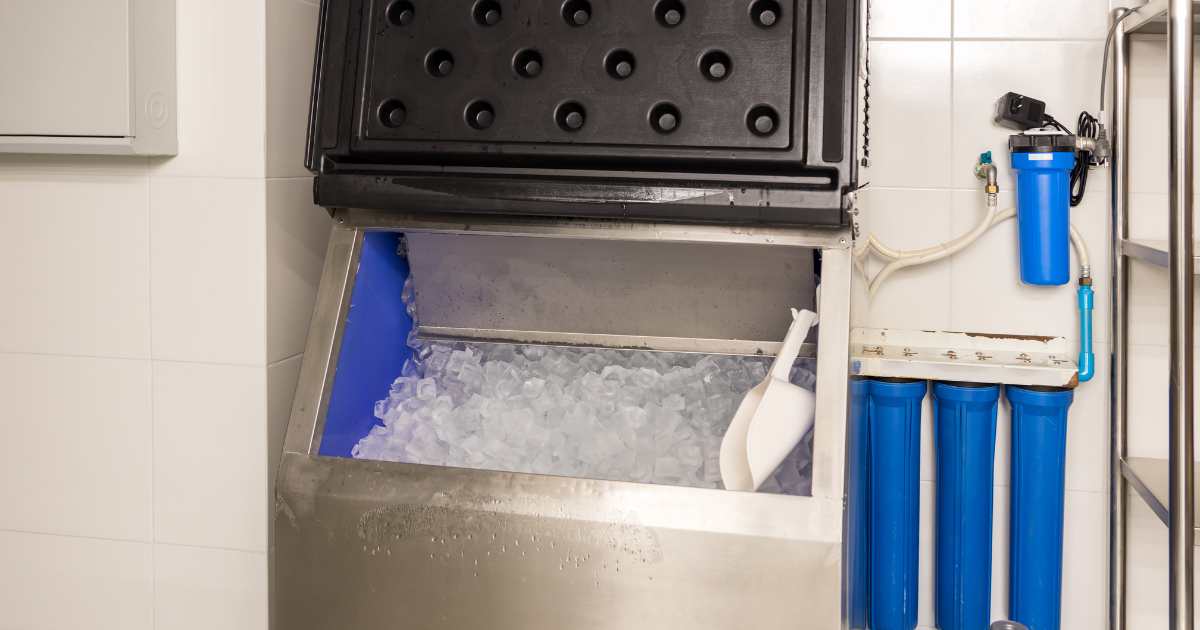
Good filtration can improve clarity and consistency, which helps your ice last longer in use, as it removes impurities. Think of your water as the foundation of the business. The machine only freezes it. It does not fix it.
Choose the Right Equipment for Your Goals
You do not need to buy the biggest machine available. You need to buy equipment that suits your market and production goals.
If you are supplying a few local shops, you may only need a moderate output with dependable storage. If you want to serve events or high-volume buyers, you may need more production capacity and stronger cold storage.
Your setup may include more than just an ice machine. You may also need:
- Clean production space
- Water filtration system
- Freezer or cold room
- Drainage
- Bag sealing tools
- Food-safe handling tools
- Packaging
- Backup power support
The unpredictable power landscape in South Africa can negatively affect an ice business. If electricity is unreliable, your production suffers. Ice quality can drop, stock can melt, and output can slow down. In some cases, investing in backup power or better storage makes more sense than buying extra production equipment.
The good news is that this hurdle can also contribute to sales as households that experience blackouts buy ice to help protect their food items.
Use Packaging That Looks Clean and Professional
Small business packaging must be efficient and intentional. Packaging matters more than many people think. It protects the product, makes storage easier, and shapes how customers see your brand.
Weak or poorly sealed bags can tear in freezers, leak during transport, and make your business look careless. Strong and neat packaging gives customers more confidence in your product.
It also helps to choose bag sizes that fit your market. Smaller bags may work well for households and convenience stores. Larger bags may be better for events, taverns, and hospitality businesses. If possible, test demand before committing to large packaging orders.
Build a Reliable Delivery System
An ice business depends heavily on delivery. Ice is time-sensitive. That means delays can cost you money and damage customer trust.
Route planning is important for small businesses. Try to build your customer base by area. A smaller customer near several other buyers can be more profitable than one large customer who is far away. Fuel, traffic, and melting stock can quickly reduce your profit if your route is poorly planned.
Listen carefully to what customers say. Key details you need to find out from your customers include:
- Delivery times
- Stock required
When they may make another order (places like taverns and pubs might run out of stock quickly, so you might want to ensure you have backup stock)





Recent Comments